
Top 5 articles of 2025
What captured readers’ attention in 2025? Experiences of discrimination, the ideal worker norm and working conditions in academia dominated the reading statistics.
What captured readers’ attention in 2025? Experiences of discrimination, the ideal worker norm and working conditions in academia dominated the reading statistics.
The KIF Committee believes that gender balance and ethnic diversity are crucial to finding good solutions to major societal challenges.
It is more important now than ever to promote equality, diversity and integration, according to Eileen Fugelsnes from the Ministry of Education and Research, and the Ministry has appointed a new committee for gender balance and diversity in research.
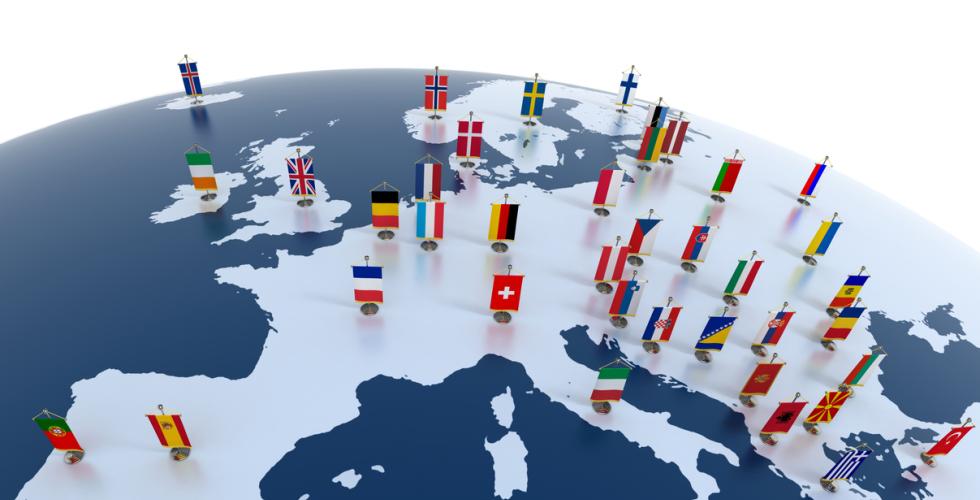
While universities in countries like Austria, Norway and France are fully expected to promote equality, Serbia and Belgium have fewer requirements and resources. Researcher Evanthia K. Schmidt is calling for an increase in European co-operation.
A national survey of equality at research institutions shows that measures are implemented, but rarely assessed. A new report highlights a clear need for more evaluation.
In Norway we call it sexual harassment in academia, and in Europe it is known as gender-based violence.
What does having ‘professorial potential’ mean? Researchers have attempted to unravel this mysterious concept.
Innovation has typically been thought of as involving patents, licences and start-ups. Today, innovation researchers have a far broader understanding of the concept, believes research leader Espen Solberg.
The vast majority of ethnic minorities in Norwegian academia are mobile researchers who have moved here to work in an academic position.
There was something peculiar about the discussions when research grants were being awarded, according to the committee chair. Something did not feel right. Then the Swedish Research Council began sending observers to the meetings.
In April 2009 the Norwegian Government presented a new white paper on research policy. In the report the Government confirms its commitment to gender equality in research, but critics say progress is too slow.
Representatives to the Norwegian Parliament applaud the Research Council’s grant scheme to promote women in research, but will not guarantee allocations for the project.
“We succeed if I don’t receive any whistleblowing cases – not because they’re swept under the carpet, but because unwanted incidents simply don’t happen,” says Kristian Solaas, Equality Advisor at the University of Agder.
With the climate crisis as backdrop, university employees have demanded a reduction in air travel. Could cutting air travel also lead to greater gender equality?