
How to tackle resistance to equality
A research project takes a closer look at what is really going on when gender equality efforts in the workplace go nowhere.
This is particularly prevalent among foreign PhD candidates, according to interviews with more than 100 PhD candidates.
Gender equality as an advantage in the increasingly tough international competition for research funding will be one of the topics at the KIF Committee’s conference on gender equality and diversity in Nordic research. The conference will be held in November.
There are major socio-cultural differences between the north and south, according to researcher Mervi Heikkinen. Many students in Northern Sweden, Norway and Finland are the first in their family to pursue higher education.
Some give it their all, while others leave academia. Most researchers, however, favour the middle ground. A new study shows how researchers respond to the ideal of working around the clock.
People are reluctant to talk about race and whiteness, but education and research institutions may overlook racism due to ‘not seeing skin colour’, according to associate professor Sandra Fylkesnes.
Many students with non-Western backgrounds pursue challenging educational programmes. For them, sibling support is an important resource.
The children of immigrants are often met with the attitude that their choice of education has been dictated by social control. On the contrary, these sons and daughters are intent on making their own choices, says researcher Marianne Takvam Kindt.
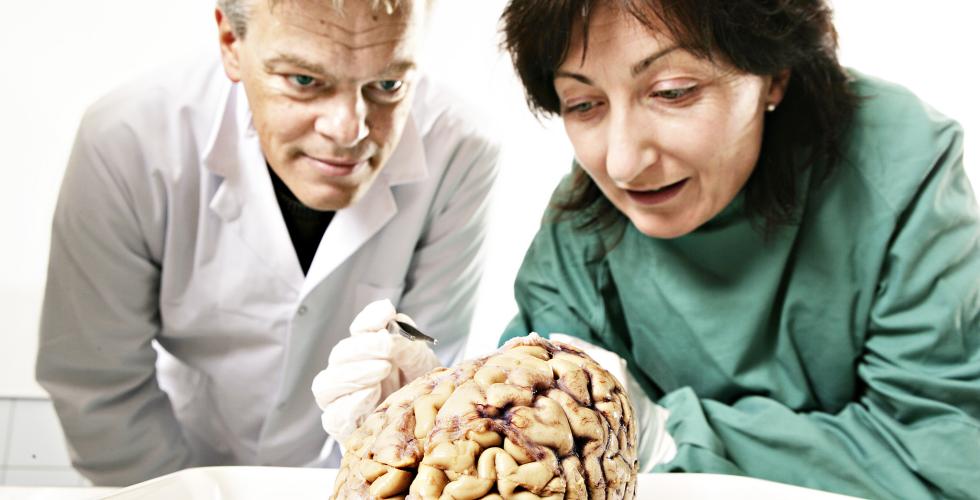
We are a long way from closing the gender gap among Nobel Laureates. Curt Rice, Rector of the Oslo Metropolitan University and Chair of the KIF Committee, explained his solution for this to the Nobel Foundation in Sweden last week.
This year marks 20 years since the first KIF Committee was established. Kifinfo has spoken to three people who have been key to the committee's work during the last ten years.
The article about a new plan against racism at Østfold University College was the most popular one last year.
“That’s because growing up, I hadn't seen researchers with minority backgrounds in the media, and no one in my social network works in academia,” says Usma Ahmed, a new research fellow at OsloMet.
A new EU report shows how gender and sex analysis can make research better and more creative – including in disciplines that have not yet incorporated them.
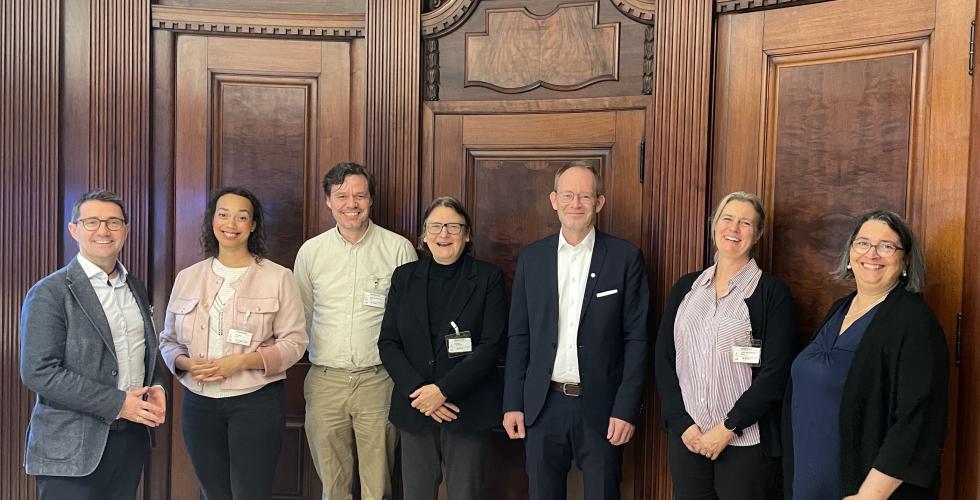
The new KIF Committee has been appointed, and for the first time it has a leader team from both a university and a research institute.