Security puts equality to the test in academia
Research is built on the core values of openness, trust and international collaboration. Security, by contrast, is about protecting national interests, chains of command and compliance, says Silje A. Hole of the Institute for Energy Technology.

How can the research sector navigate the competing demands of security and non-discrimination – and reconcile two such different acts as the Equality and Anti-Discrimination Act and the Security Act?
This is one of the questions raised following the release of a draft guide on personnel security for the higher education sector this spring. One point of contention is how the higher education sector can meet new security requirements while also protecting researchers from discrimination.
“Two spheres collide”
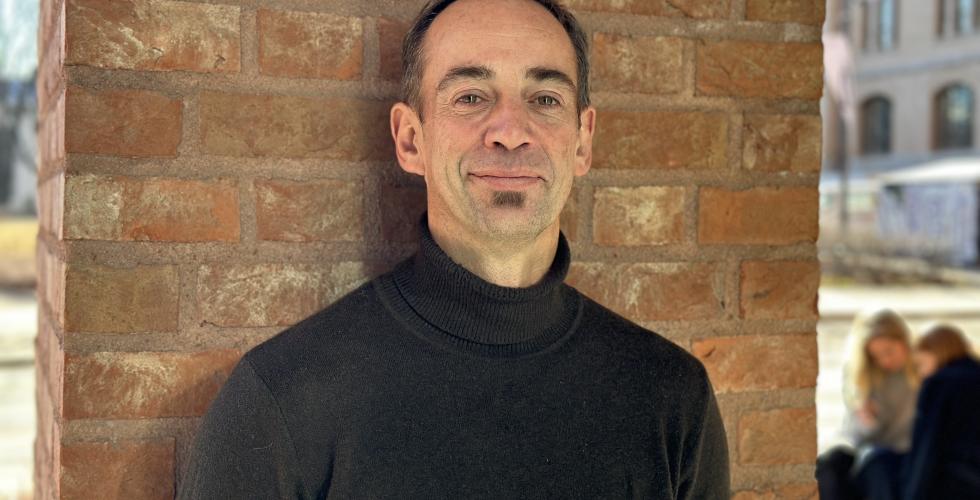
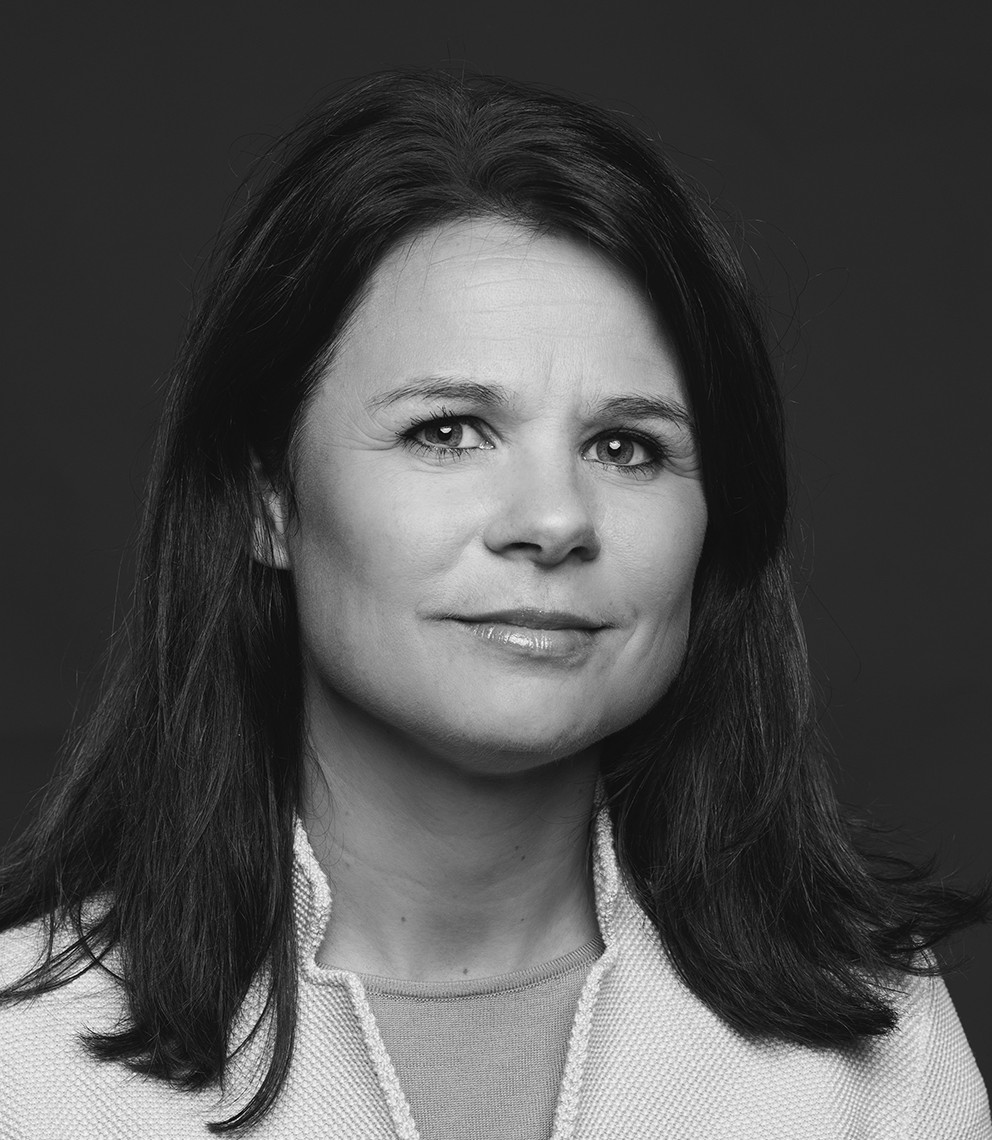
Vibeke Blaker Strand specialises in equality and anti-discrimination law. She is a professor of law at the University of Oslo and a member of the KIF Committee.
“Those of us who work in this area of law are used to familiar issues such as equal pay, pregnancy discrimination and protection against discrimination based on religion in the workplace.”
“The two areas of law – equality and anti-discrimination law and security legislation – have perhaps not been so closely connected before,” she says.
The question of how security considerations can challenge equal-treatment rules has, according to Strand, only received attention in recent years. The tone of public debate may give the impression that invoking security is, in itself, sufficient justification.
“It differs from the traditional equality and anti-discrimination law I have worked with. Here, two different sets of legal concepts and two distinct areas of law come together.”
Culture shock when security meets research
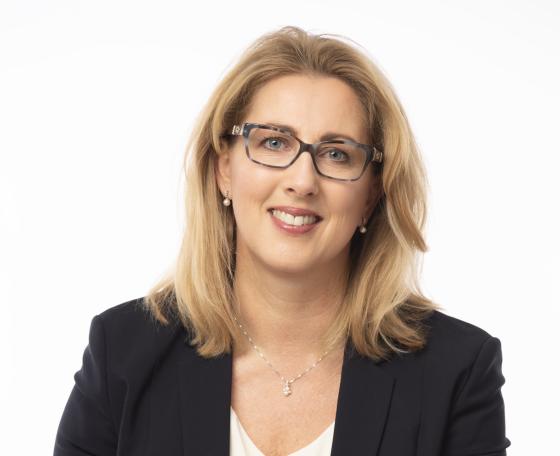
Silje Aspholm Hole, director of strategy, communications and corporate governance at the Institute for Energy Technology (IFE), describes the intersection of security and research as challenging.
“There is a marked difference in approach between employees working in security with a military background and energy researchers,” she says.
“It can feel like a culture shock. Those working in research and security often come from very different backgrounds, with different educations and perspectives.”
According to Hole, many people working in security within the knowledge sector come from the Armed Forces, the police or security agencies – environments that differ greatly from research institutes and the higher education sector.
“Researchers are naturally inclined to ask questions; research is, after all, about exploring the unknown. Its core values are openness, trust, knowledge sharing and international collaboration. While security is about protecting national interests, procedures, chains of command and compliance,” she says.
Differences between people
Strand explains that the two considerations are based on different principles and grounds:
“The starting point for security clearance is that people may be treated differently based, among other things, on their national affiliations, where this is justified by security concerns. Security is treated as a paramount concern, based on fairly broad criteria that can override other considerations.”
“This stands in contrast to equality and anti-discrimination law, which is based on the principle that everyone should be treated the same, regardless of group-based characteristics, that everyone should be treated equally and given the same opportunities.”
Finding a balance
“The Security Act requires us to protect national interests, but doesn’t specify how this should be done, so the approach varies from one organisation to another,” says Hole.
“For example, this could mean assessing whether a candidate with ties to a high-risk country can proceed in the recruitment process. The assessment must be based on what the person will be working on and what information and assets they need access to in order to do their job.”
At the same time, cases before the Anti-Discrimination Tribunal show how challenging such assessments can be, according to Hole.
“For individual researchers, this can feel discriminatory, because anti-discrimination protections concern individual rights, while many may not be familiar enough with the Security Act to understand the assessments and measures that organisations subject to the Act are required to undertake.”
Another dilemma is transparency.
“Some security assessments and the reasoning behind them can’t be disclosed. Anti-discrimination protections are based on transparency, while the Security Act may require information to be classified,” she says.
“Equal treatment as the starting point”
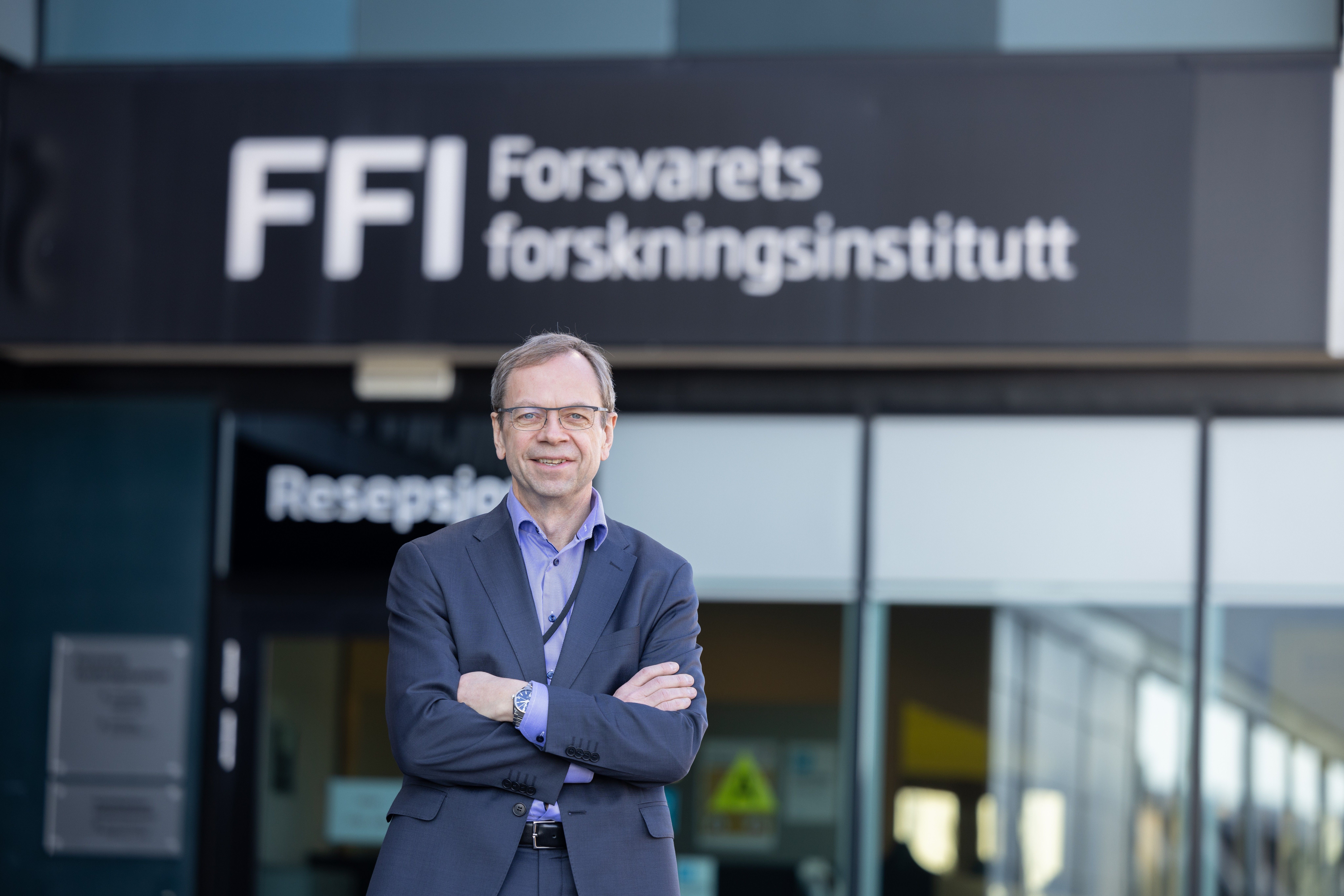
The Norwegian Defence Research Establishment (FFI) is the defence sector’s own research institute. We therefore asked its director, Kenneth Ruud, how they balance these considerations.
“How does the research sector respond when the principle of non-discrimination comes into conflict with security concerns?”
“The most important thing is that we have good control over our assets and the rules governing export controls,” says Ruud, Director General of FFI.
Ruud is referring here to technological knowledge and national assets covered by the Security Act or export control regulations.
“We must protect our ability to defend our democratic system of government and the values that define Norwegian society, such as equal treatment and diversity, without compromising those very values. We must not give countries that don’t have our best interests at heart the opportunity to undermine them.”
“Employees must hold security clearance to ensure that they are suitable to handle sensitive information.”
FFI is unique because of the requirements placed on the institute under the Security Act, Ruud explains, adding:
“There may be projects that are ‘for Norwegian eyes only’, i.e. projects that require Norwegian citizenship to work on, but that is not what determines our recruitment processes.”
“The principle of selecting the most qualified candidate is important in the public sector, as is equal treatment,” he says.
Ruud explains that this is particularly important for applicants with ties to countries with which Norway has no security cooperation, or who have spent extended periods of time in such countries.
Compassion
For Hole at IFE, follow-up is also about how employees are treated.
“We have employees from high-risk countries, and it is important to show compassion and understanding for their situation. They didn’t choose their national affiliation.”
As security concerns take on greater importance, many people may feel a sense of uncertainty, Hole says.
“Some employees became concerned about their jobs as security rose higher on the agenda following Russia’s full-scale invasion of Ukraine.”
“Many are also unfamiliar with the employment protections available to workers in Norway. We’ve spent a lot of time explaining the protections they are entitled to,” she says.
Managers need to know the laws, policies and procedures, but they also need to communicate well with employees, navigate difficult dilemmas and support employees who are struggling and need extra help, according to Hole.
“It puts a lot of pressure on managers,” she says.
Vibeke Blaker Strand stresses the importance of talking about the working environment in a heightened security climate, including with employees from high-risk countries.
“I believe in dialogue. And I believe managers should reach out to employees, recognise them as a potentially vulnerable group, and talk to them,” she says.
“Research institutions need to look after the researchers who are already there,” says Strand.
“Anyone can become vulnerable”
Hole emphasises that the measures are intended to protect employees, not to label them as a risk.
“Anyone can have or develop vulnerabilities, and we have conversations about vulnerabilities with all employees. When managers learn that an employee may be vulnerable, they provide additional follow-up – for example, if something happens in the world that could affect the employee or their vulnerability.”
“Do employees understand this?”
“There is a growing understanding that the measures we introduce help protect employees and make them less vulnerable, for example, by restricting their access to certain buildings or laboratories, or requiring them to be accompanied by a colleague when they need access,” she says.
“It can be difficult. That’s why colleagues are so important when someone finds themselves in a difficult situation through no fault of their own. We find that colleagues provide a lot of support in such situations.”
Hole believes it is important to maintain dialogue with employees from high-risk countries, where events may occur that could affect their vulnerability.
Kenneth Ruud of FFI understands the strain this can cause:
“It is of course challenging for employees who came to Norway from a high-risk country many years ago – but we have the well-being of our researchers in mind.”
“To what extent can these changes be understood in the context of the resistance to equality and diversity we now see in a number of countries?”
“I hope we distinguish between nationality and ethnic background. As an individual, you may feel overlooked and feel that you’re not being treated equally. But sometimes it’s also about looking out for employees, to avoid exposing them to pressure from their home country,” says Ruud.
“Equality and diversity are values we also want to protect,” he says.
“The guide is a major step forward”
Clear, practical guidelines are essential for the research and higher education sector, according to Hole.
“We think the guide is thorough and well-structured, and an important reference document for the sector,” she says, while also making one request:
“It would be good if the guide also covered the research institute sector, so that it is more relevant to our part of the sector as well.”
Hole says that the Association of Norwegian Research Institutes (FFA) will submit a consultation response on behalf of the research institute sector.
Law professor Strand is also positive:
“It’s good that the guide seeks to bring the different strands together. They bring together considerations relating to privacy, equality, anti-discrimination protections and many different perspectives. But it can be overwhelming to put all of this into practice,” she says.
“The fact that they so clearly seek to bring these different spheres together, or harmonise them, is a very important step.”
Strand points out that political rhetoric can contribute to creating a sense of fear. Some countries go to great lengths and Norwegian politicians also want to show that they are taking decisive action.
“If security takes precedence over almost everything else, the guide could help push considerations of fairness into the background. Security concerns are something we have to take into account, but we also need to make room for the wider legal landscape. The guide can help foster dialogue,” says Strand.
We asked the Norwegian Directorate for Higher Education and Skills (HK-dir) for a comment, and Division Director Ragnhild Tungesvik responded:
“The draft guide on personnel security for the higher education sector is currently out for consultation, so it would not be appropriate for HK-dir to comment on its content at this stage. We welcome all submissions to the consultation.”
Translated by Totaltekst.
The Directorate for Higher Education and Skills (HK-dir) and Sikresiden.no have jointly developed the draft guide on personnel security for the higher education sector.
- The guide was developed in response to institutions’ calls for a common approach to personnel security.
- The guide is primarily aimed at those responsible for developing and facilitating a comprehensive and systematic approach to personnel security.
- The guide, which is voluntary, builds on the Guidelines and Tools for Responsible International Knowledge Cooperation.
- The purpose of the guide is to facilitate a common approach to the assessments that need to be made in the area of personnel security across the higher education sector.
- The guide summarises the key legal requirements and provides advice on the assessments that should be made.
- The guide emphasises that the institutions themselves are responsible for making the assessments and decisions.
The deadline for submitting consultation responses is 15 September 2026.
The higher education sector is subject to the Security Act. The Act applies to central government, county and municipal bodies, meaning that all agencies and institutions subordinate to the Ministry of Education and Research are directly subject to the Security Act. The requirement applies regardless of whether an organisation has critical assets.
Both export controls and sanctions are closely linked to national security.
Source: HK-dir
Equality legislation
The principle of equal treatment is also enshrined in the Constitution: Article 98 states: “All people are equal under the law. No human being must be subject to unfair or disproportionate differential treatment.”
The Equality and Anti-Discrimination Act is intended to promote equality and prevent discrimination. Equality means equal worth, equal opportunities and equal rights, and the Act is particularly aimed at improving the position of women and minorities. Under the Equality and Anti-Discrimination Act, differential treatment is permitted only when there are specific and compelling grounds; otherwise, it constitutes unlawful differential treatment and therefore discrimination.
Institute for Energy Technology (IFE)
IFE is one of Norway’s largest research institutes, with locations in Kjeller and Halden. The institute became subject to the Security Act in 2020.
IFE conducts research into nuclear technology and nuclear power, renewable energy, energy storage, energy systems, carbon capture and storage, critical raw materials, cybersecurity and digital sovereignty, as well as defence, security and emergency preparedness. The institute has decommissioned research reactors and nuclear facilities, which are due to be transferred to the state in 2027.
Source: Silje A. Hole and IFE
The Norwegian Defence Research Establishment (FFI)
FFI is the defence sector’s own research institute.
A major difference between FFI and most other research organisations in Norway is that the institute handles not only security-sensitive information, but also classified information. The Norwegian Defence Security Agency is responsible for security-clearing everyone employed by FFI.
Source: Kenneth Ruud and FFI
Vibeke Blaker Strand is a professor at the Department of Public and International Law at the University of Oslo’s Faculty of Law.
Strand is a member of the Committee for Gender Balance and Diversity in Research (the KIF Committee). See all members and learn more about the KIF Committee on Kifinfo.
The KIF Committee hosted a discussion on this topic at the annual political event Arendalsuka on 11 August 2026: Can academia remain an inclusive and open workplace in an increasingly uncertain world?